
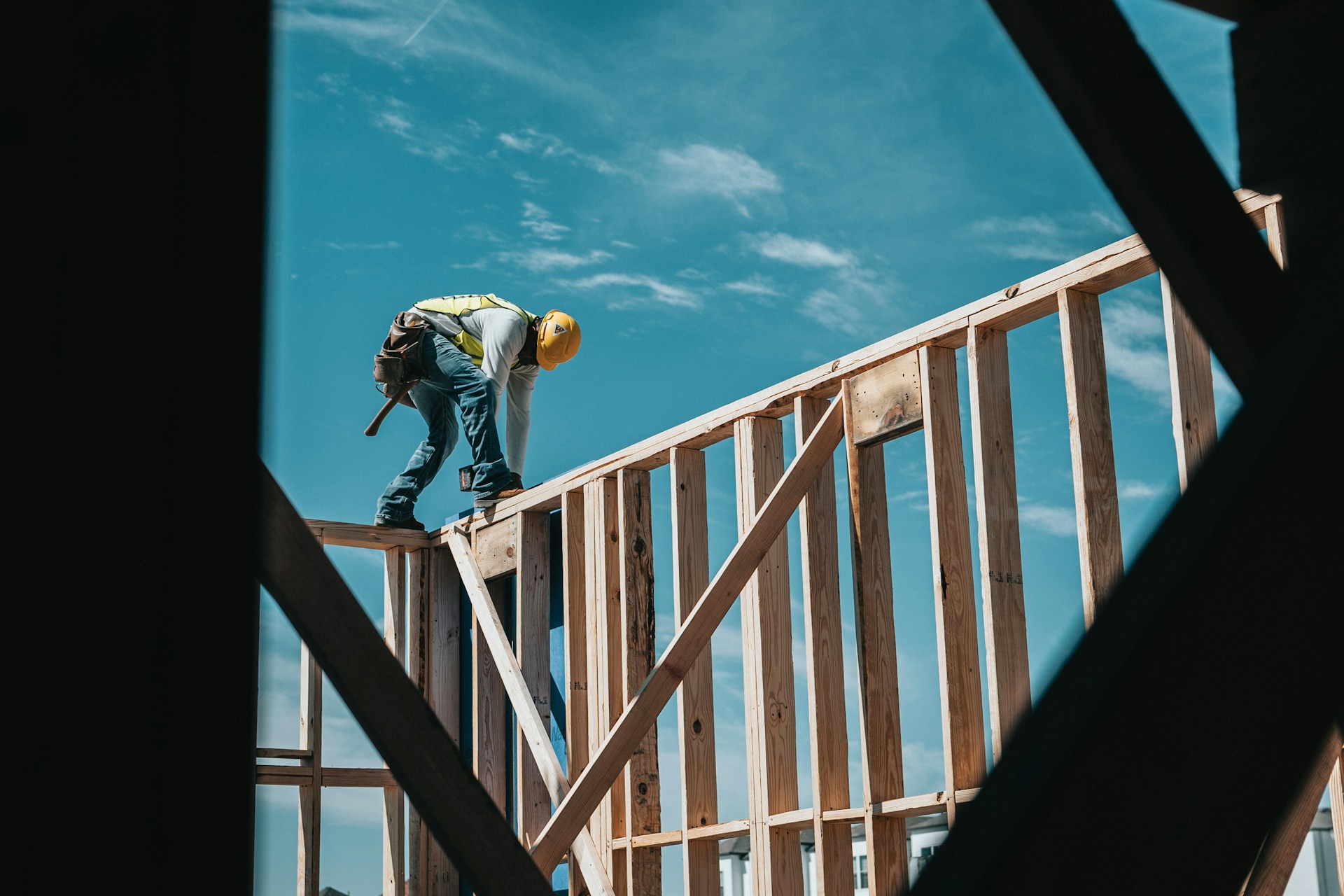
The Australian construction sector’s recovery creates significant investment opportunities for property investors who understand how to strategically time the market. With new home sales up 16.5% and construction activity on the rise, those positioned early in the cycle can capitalize on both employment-driven growth and property value appreciation.
Understanding Construction Cycles
Construction cycles generate predictable patterns for property investors. During downturns, established properties often benefit from limited new supply, while the recovery phase supports employment growth, population increases, and infrastructure development. Recognizing these patterns allows investors to identify the ideal time to enter specific markets.
Timing the Market
The best construction recovery opportunities occur in the early stages of increasing activity before oversupply risks emerge. Current conditions in Australia, with construction activity recovering but still below historical peaks, provide an ideal window for strategic investment positioning.
Geographic Opportunities
Recovery is not uniform across Australia. Queensland, Western Australia, and South Australia are experiencing the strongest construction rebound. Investors who target these regions early can benefit from both direct and indirect growth impacts driven by employment and economic activity.
Direct and Indirect Investment Opportunities
Direct opportunities include investing in areas where construction activity is increasing, benefiting from employment growth and economic stimulus. Indirect opportunities involve acquiring established properties that enjoyed reduced supply competition during the downturn. Combining both strategies can maximize returns.
Employment and Economic Impacts
Construction recovery extends beyond building sites. Activity boosts employment across manufacturing, transport, professional services, and retail sectors, creating broad economic growth that supports property demand across multiple markets.
Benefits for First Home Buyers
First home buyers can take advantage of increased housing choice and competitive pricing in construction-active areas. Recovery typically occurs in markets with strong underlying demand, offering long-term benefits regardless of whether the property is new or established.
Market Sentiment and Real Estate Professionals
Markets experiencing construction recovery often show improved optimism. Real estate professionals can leverage these conditions to guide buyers and investors, creating opportunities for strategic property transactions during early recovery phases.
Supply-Demand Dynamics
Although increased construction eventually adds supply, the lag between commencement and completion maintains a period where demand exceeds supply. This supports price growth and rental yields, making recovery phases particularly attractive for property investors.
Rental Market Implications
Economic growth and employment generated by construction recovery increase near-term rental demand. Investors positioned in these markets can benefit from stronger rental yields before new supply enters the market.
Financing and Infrastructure Catalysts
Construction recovery often improves financing conditions as lenders interpret rising activity as a sign of market strength. Additionally, infrastructure investment accompanying construction boosts property values and provides long-term market support.
Government Policy Support
Government policy typically supports construction recovery to promote economic growth and housing supply. Understanding these policies allows investors to align property purchases with supportive regulatory environments.
Investment-Grade Property Opportunities
The construction industry often focuses on investment-grade properties during recovery phases. Investors can acquire new, well-designed properties that optimize rental returns and capital growth. However, balancing these opportunities with potential price competition is essential.
International Context
Global examples show construction recovery phases can last several years, creating sustained investment opportunities. The highest returns are captured by those entering early, before widespread recognition of recovery.
Risk Management
Effective construction recovery investment requires monitoring activity levels to avoid markets approaching oversupply. Successful investors maintain awareness of construction pipelines relative to demand to ensure sustainable returns.
Conclusion – Strategic Positioning
Construction recovery investment strategies reward those who understand the link between building activity, economic growth, and property value trends. Early positioning and careful market analysis allow investors to benefit from rising demand, employment growth, and improved rental returns.
Ready to capitalize on Australia’s construction recovery through strategic property investment? Our expert team can help you identify markets and properties positioned to benefit from increased construction activity and economic growth. Contact Your Property People today to discover construction recovery investment strategies that can accelerate your wealth building.