
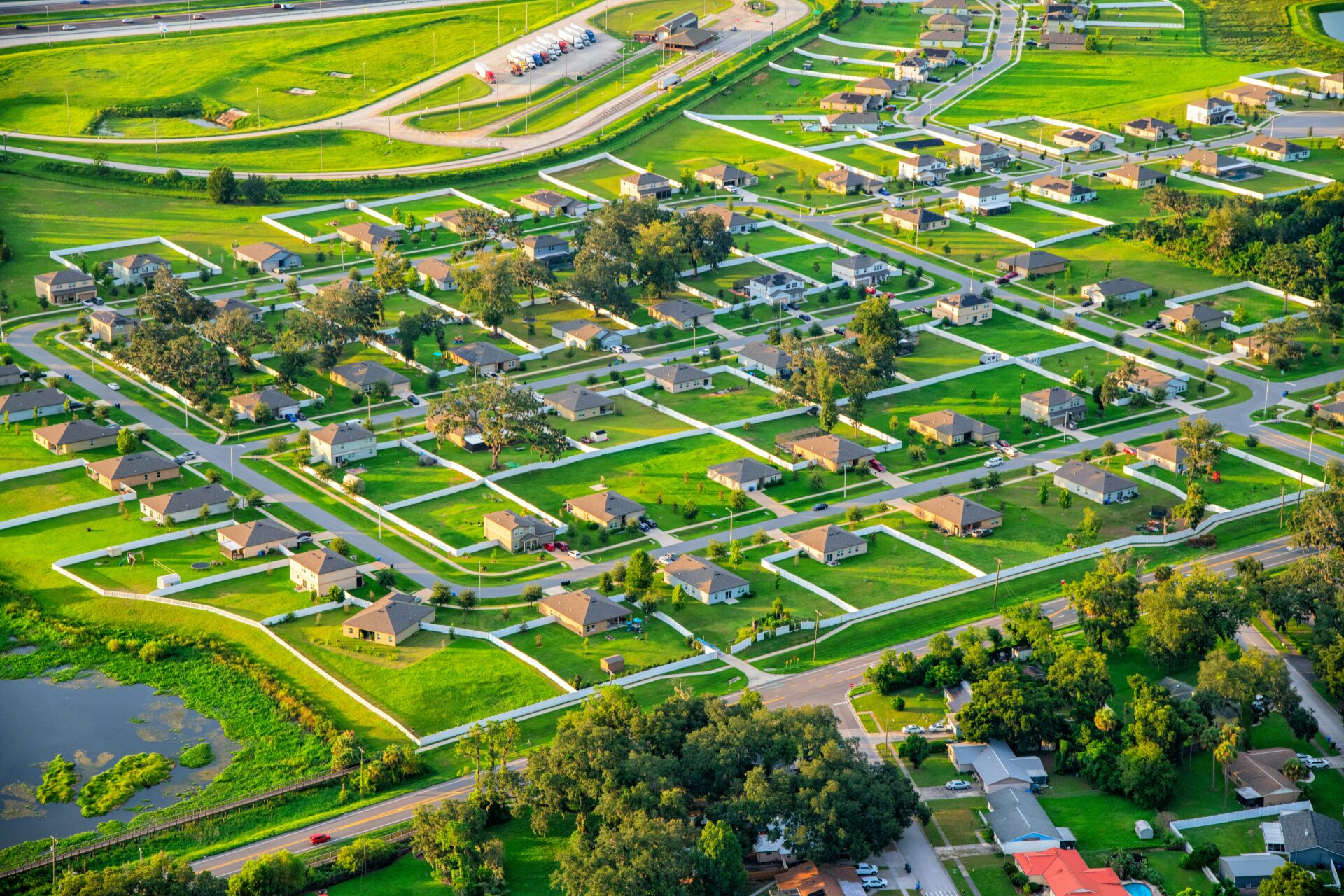
Australia’s regional population growth story requires a fresh perspective. With 9.91 million people now living in regional areas—growing faster than many capital cities—investors who understand this demographic shift are discovering exceptional opportunities. Indeed, the regional population revolution is reshaping property markets previously considered secondary.
The Scale of Regional Growth
The scale of growth is unprecedented. For example, areas that were declining just a decade ago are now surpassing metropolitan growth rates. As a result, this trend represents a structural change, creating sustained opportunities for strategic investors.
Drivers of Regional Population Growth
What’s driving this regional renaissance? Primarily, remote work capabilities, lifestyle preferences, housing affordability pressures, and infrastructure improvements. Moreover, it’s not just retirees relocating—working-age families and professionals are leading much of the growth.
Consequently, regions that offer affordability, lifestyle benefits, and connectivity are attracting a diverse population, boosting property demand.
Employment and Economic Implications
The employment impact is substantial. Specifically, growing areas attract businesses, services, and job opportunities, creating self-reinforcing cycles of economic development. Thus, employment growth supports sustainable property demand and value appreciation.
Investment Opportunities for Property Investors
For property investors, regional population growth offers more than higher demand. In addition, infrastructure investment, business development, and amenity improvements increase property values while maintaining affordability compared to metropolitan areas.
Therefore, investors positioned in these regions are likely to experience long-term benefits.
Age Demographics and Housing Demand
Unlike previous growth cycles dominated by retirees, currently, working-age families form a significant part of the regional population increase. Consequently, demand spans different property types and strengthens rental markets.
Furthermore, first home buyers are finding more accessible markets in these growing regions.
Geographic Patterns of Growth
Regional growth is uneven across Australia. For instance, some areas experience exceptional growth, while others remain stagnant. Hence, understanding these geographic patterns helps investors identify emerging opportunities while avoiding markets with challenging demographics.
Rental Market Implications
Rental demand often rises in receiving areas as new residents initially rent before purchasing. As a result, rental investors can capitalize on improving yields and low vacancy rates.
Additionally, long-term population inflows help stabilize rental markets.
Infrastructure and Construction Impacts
Infrastructure typically follows population growth. Consequently, transport improvements, digital connectivity, and community facilities boost regional attractiveness and property values.
Meanwhile, the construction industry often struggles to meet demand due to limited capacity. Therefore, existing properties in high-growth regions continue to appreciate.
Government Policy Support
Governments are responding with planning reforms, infrastructure funding, and economic development initiatives. As a result, areas with sustained policy support are better positioned for long-term growth.
Lifestyle and Environmental Factors
Lifestyle and environmental advantages—space, outdoor recreation, climate preferences, and community connections—are key drivers of regional growth. Importantly, these factors are likely to sustain population movement over the long term.
Technology Enables Regional Living
High-speed internet, remote work, and digital connectivity make regional living viable for many professions. Thus, technology is permanently reshaping population distribution and housing demand.
International Perspective
Regional population growth is a global trend. For example, developed countries worldwide are seeing similar shifts. Therefore, Australia’s regional renaissance reflects broader demographic and lifestyle trends rather than temporary local conditions.
Portfolio Diversification Opportunities
From a portfolio perspective, regional growth creates opportunities for geographic diversification. Indeed, emerging regional and outer-suburban markets may offer better value and growth prospects than increasingly expensive metropolitan areas.
Sustainability of Regional Growth
Sustainable regional growth depends on employment opportunities, infrastructure development, and lifestyle quality. Hence, investors who understand these factors can identify regions with long-term growth potential.
Ready to capitalize on Australia’s regional population revolution through strategic property investment? Our expert team specializes in regional market analysis and can help you identify growing regional areas with exceptional investment potential. Contact Your Property People now to discover how regional population growth can drive your investment success.