
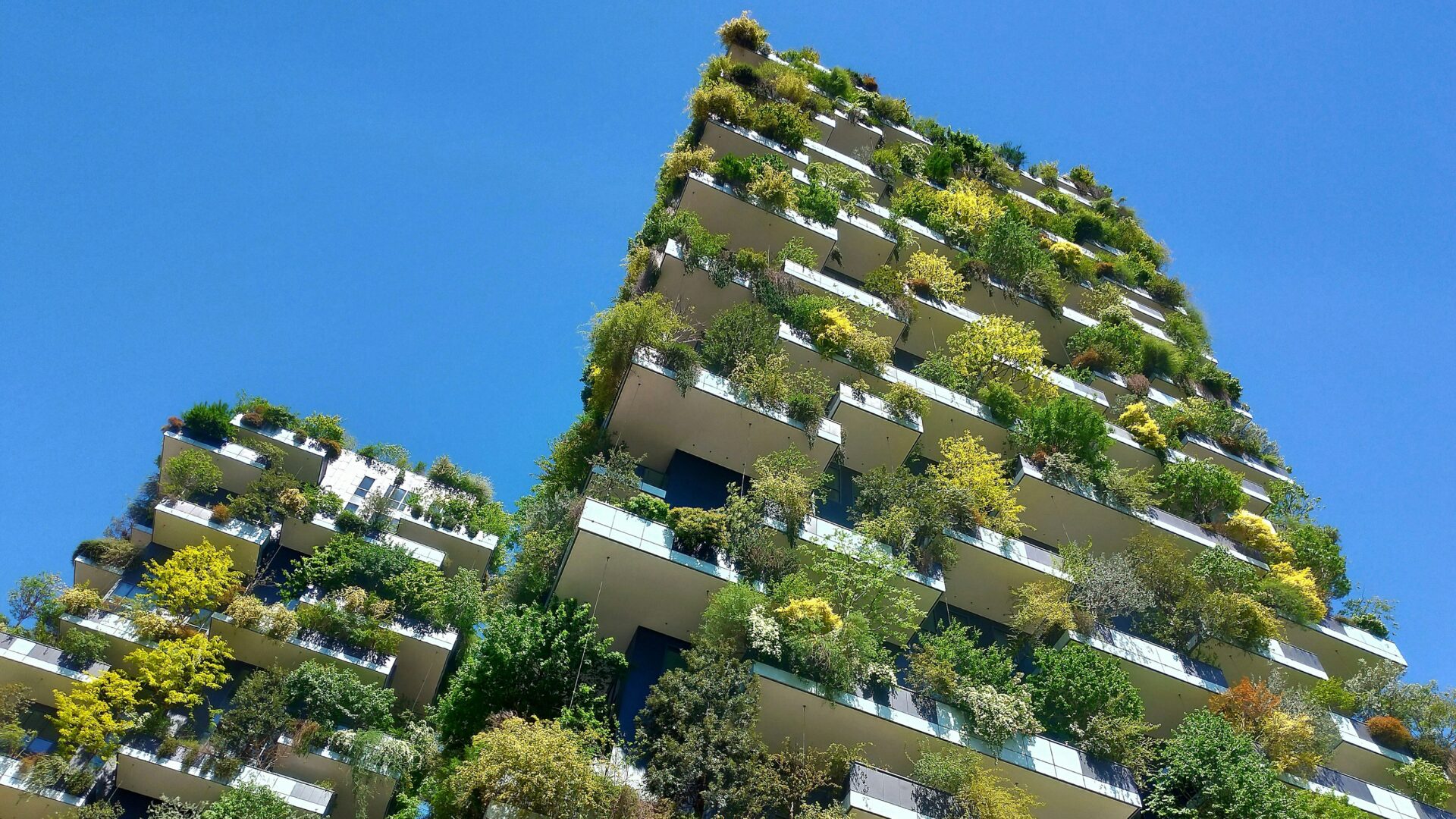
Australia’s property investment landscape is being transformed by sustainability considerations. These changes extend beyond environmental responsibility. They now influence property values, tenant preferences, and long-term investment returns. Understanding how environmental trends create opportunities helps strategic investors identify markets and properties positioned for stronger long-term performance.
Environmental Performance: The New Investment Metric
The environmental performance of properties is becoming a key investment factor. Energy efficiency, sustainability features, and environmental credentials now influence property values and rental demand. Properties with strong sustainability performance often command premium prices and higher rents. They also attract quality tenants and buyers.
Climate Change Impacts on Property Markets
Climate change is creating clear differences in market attractiveness. Some areas benefit from favourable conditions, while others face risks such as extreme weather, rising sea levels, or environmental changes. Understanding these climate implications helps investors find locations positioned for long-term sustainability.
Energy Efficiency Requirements and Opportunities
Energy efficiency requirements are becoming more stringent. Building codes, rental standards, and market expectations are all evolving. This creates opportunities for investors who know how to identify or upgrade energy-efficient properties. It may also challenge the returns of properties that fail to meet new standards.
For investors, sustainability analysis offers valuable insights. It supports long-term performance, regulatory compliance, and strong market positioning. Properties built for environmental sustainability often achieve better returns through lower operating costs and higher market appeal.
Renewable Energy Integration
Integrating renewable energy into properties creates strong investment benefits. Solar panels, battery storage, and energy management systems can reduce operating costs and improve environmental credentials. These features also increase tenant appeal.
Water Efficiency and Management
Water efficiency is becoming a major consideration. Features such as water-saving systems, stormwater management, and drought-resilient design are growing in importance. As water scarcity and climate variability increase, these factors can significantly affect property operations and values.
First Home Buyer Preferences
First home buyers are increasingly prioritizing environmental performance. This trend boosts demand for sustainable properties and reduces the appeal of homes with poor environmental credentials. Understanding these preferences helps investors target properties that suit first home buyer demand.
Real estate professionals who follow sustainability trends can provide valuable guidance. They help clients understand environmental performance, regulatory compliance, and strong market positioning.
Rental Market Implications
Sustainability influences rental markets as well. Tenants now prefer environmentally responsible properties with lower utility costs and better comfort. Energy-efficient features often lead to higher satisfaction, stronger retention, and improved rental performance.
Green Building and Construction Trends
The construction industry is adapting to new sustainability standards. Builders are using green materials, improved designs, and environmental certification systems. Investors who understand these developments can identify high-quality sustainable projects.
Government Policy and Regulatory Framework
Government policy is shaping the future of sustainable property investment. Building standards, energy efficiency rules, and sustainability incentives all influence costs, compliance, and market positioning. Understanding these policies helps investors anticipate upcoming requirements.
Financing Sustainable Property Investment
Financing is also evolving. Green loans, sustainability-linked financing, and environmental assessments can provide cost advantages for qualifying properties. However, properties with poor environmental performance may face limited financing options.
Portfolio Construction and Risk Management
Sustainability creates new opportunities in portfolio construction. Investors can specialise in environmentally responsible properties. At the same time, they must manage risks linked to climate exposure or environmental vulnerability.
Global Sustainability Trends
Global trends show that sustainability in property investment is accelerating. Australia’s standards and market expectations will likely continue moving toward stronger sustainability requirements.
Technology and Smart Building Systems
Smart technology plays a major role in sustainable properties. Energy management systems, environmental monitoring tools, and efficiency optimisation features help reduce operating costs. They also improve tenant appeal and long-term returns.
Community and Lifestyle Factors
Sustainable property investment also relates to lifestyle factors. Access to green spaces, public transport, and environmentally conscious communities influences buyer and tenant preferences.
Insurance and Climate Risk Assessment
Insurance and risk management are becoming essential. Climate risk assessments, environmental liabilities, and insurance availability all affect long-term investment viability. Understanding these factors helps investors protect their assets.
Ready to Invest in Sustainable Property?
Ready to capitalize on Australia’s sustainable property investment revolution? Our expert team specializes in environmental analysis and can help you identify properties and markets positioned to benefit from sustainability trends while managing environmental risks. Contact Your Property People now to discover how sustainable property investment can enhance your returns while supporting environmental responsibility.