
Where to Invest in Australian Property 2026
Where to invest in Australian property 2026 is no longer a question with a single answer. Australia’s capital cities are moving at different speeds, shaped by uneven supply, infrastructure investment, affordability cycles, and shifting population patterns.
For investors, this divergence matters. Markets are no longer rising together — and that creates both risk and opportunity, depending on where capital is placed.
Understanding which cities are accelerating, which are resetting, and which are quietly compounding is becoming essential to building a resilient property portfolio in the years ahead.
Why Australian Property Markets Are No Longer Moving in Sync
National averages often hide what is really happening at a city level. While Australia continues to face a structural housing shortage, the drivers of demand differ significantly between capitals.
Employment growth, infrastructure delivery, affordability pressure, and population inflows are all interacting differently across the country. As a result, some cities are entering new growth phases, while others are offering rare value windows or reinforcing their long-term defensive appeal.
For anyone deciding where to invest in Australian property in 2026, the key is understanding why a market is moving — not just whether prices are rising.
Brisbane Property Outlook 2026: A City Entering a New Phase
As 2032 approaches, Brisbane is undergoing a visible transformation. Major infrastructure investment, employment diversification, and sustained population growth are reshaping the city’s economic base.
Unlike short-term booms of the past, Brisbane’s current momentum is supported by long-dated projects and structural demand drivers. Transport upgrades, commercial precinct expansion, and global exposure are changing how the city functions — and how it is perceived by both residents and investors.
For those assessing where to invest in Australian property 2026, Brisbane increasingly represents a market transitioning from cyclical growth to longer-term maturity.
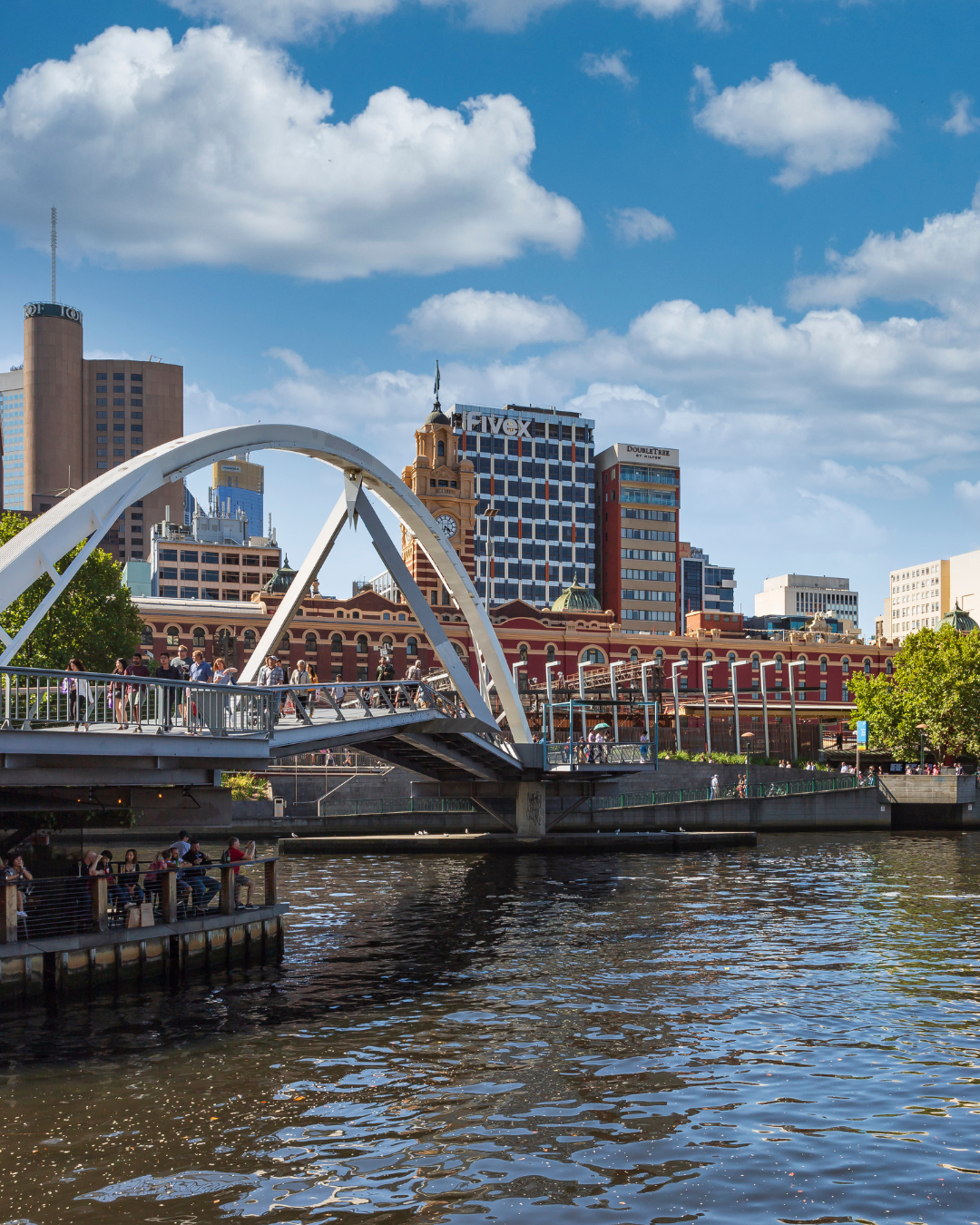
Melbourne Property Market 2026: Value Re-Emerging in a Mature City
Melbourne has spent several years underperforming relative to other capitals. However, this period of consolidation has reset affordability to levels not seen in over a decade.
With strong population growth returning, deep labour markets, and globally competitive education and cultural sectors, Melbourne is showing signs of renewed momentum. Rather than chasing rapid price acceleration, many investors are now focusing on value recovery and long-term fundamentals.
For investors considering where to invest in Australian property in 2026, Melbourne presents a markedly different proposition — less about speculation, and more about disciplined entry into a proven market at improved pricing.
Perth Property Market 2026: Supply Constraints Driving Competition
Perth stands out as one of the most supply-constrained markets in the country. Years of under-building, combined with strong employment conditions and interstate migration, have pushed vacancy rates to record lows.
Unlike previous cycles, Perth’s current growth is being driven less by investor enthusiasm and more by fundamental scarcity. Rental demand remains intense, construction pipelines are limited, and affordability relative to eastern capitals continues to attract new residents.
When evaluating where to invest in Australian property 2026, Perth’s appeal lies in its structural imbalance between supply and demand — a dynamic that historically supports both rental pressure and capital growth.
Sydney Property Outlook 2026: Enduring Strength in a Global City
Sydney remains Australia’s most globally connected property market. While affordability challenges persist, demand continues to be underpinned by international migration, high-income employment sectors, and long-term population growth.
Rather than chasing short bursts of growth, Sydney tends to reward patience. Its depth, liquidity, and global relevance create resilience across cycles, even during periods of tighter conditions.
For investors deciding where to invest in Australian property in 2026, Sydney continues to serve as a cornerstone market — not because it is cheap, but because it remains structurally in demand.
What This Means for Investors in 2026
The question is no longer simply where prices are rising fastest. Instead, it is about aligning investment decisions with the right market at the right stage of its cycle.
Some cities are being reshaped by infrastructure and employment growth. Others are offering rare entry points after years of subdued performance. And some continue to deliver stability through scale and global demand.
Choosing where to invest in Australian property 2026 requires looking beyond headlines and understanding how each city’s fundamentals interact with time, risk tolerance, and portfolio goals.
Investors who focus on data, structure, and long-term positioning — rather than comfort or familiarity — are best placed to benefit from Australia’s increasingly uneven but opportunity-rich property landscape.