
Does Landscaping Really Increase Property Prices in Australia?
Does landscaping really increase property prices in Australia, or is it just a cosmetic upgrade that looks nice but delivers little financial return?
It’s a question that comes up often, especially when property owners weigh where to spend their renovation budget. Kitchens and bathrooms tend to dominate the conversation, yet there’s growing evidence that what happens outside the home can materially influence buyer behaviour — and final sale prices.
In fact, many experienced investors argue that landscaping is not decoration at all, but a value signal.
Why First Impressions Still Matter in Australian Property
Property decisions are emotional long before they become logical. Buyers form an opinion within seconds of arriving at a home, often before stepping inside.
Well-considered landscaping creates an immediate sense of care, quality and permanence. In contrast, neglected outdoor spaces can undermine even the most beautifully renovated interior.
This matters in Australian property markets where competition is tight and buyers compare multiple homes within the same suburb. When two properties are similar on paper, presentation often becomes the deciding factor.
What Landscaping Signals to Buyers
Good landscaping does more than improve aesthetics. It sends a message.
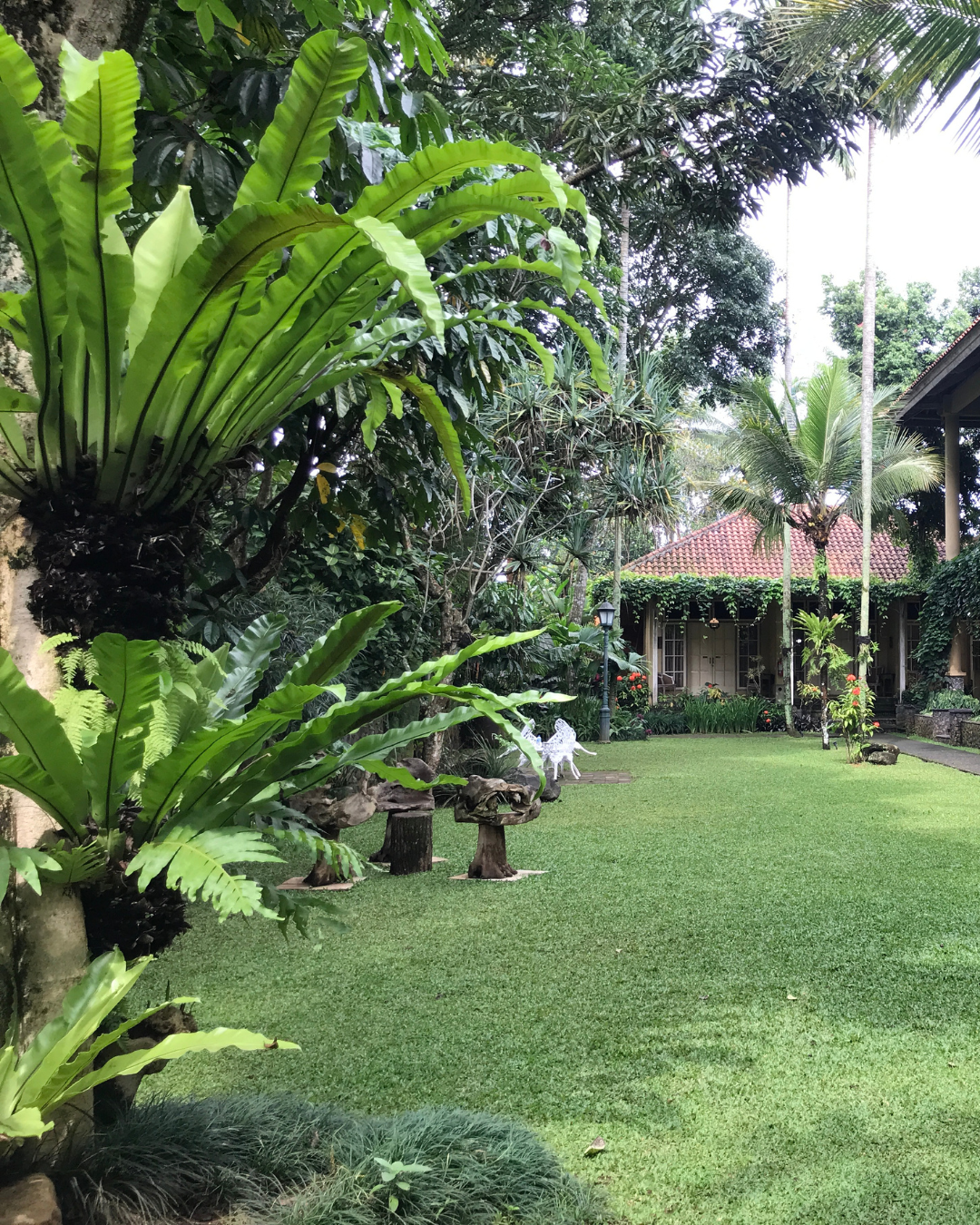
A home with mature trees, defined garden zones and tidy outdoor areas suggests long-term ownership, consistent maintenance and pride of place. Buyers often interpret this as lower future risk and fewer hidden costs.
That perception can translate into stronger buyer confidence, faster decisions and, in many cases, higher offers.
Does Landscaping Really Increase Property Prices in Australia?
Research consistently supports the idea that landscaping influences value, but not in a simplistic dollar-for-dollar way.
In Australia, the strongest uplift appears in suburbs where buyers prioritise lifestyle and street appeal — inner-ring locations, family neighbourhoods and established regional centres. In these markets, landscaping contributes to competitive tension rather than acting as a standalone feature.
The key point is this: landscaping doesn’t replace fundamentals like location or land size, but it amplifies them.
Lessons From Long-Term Property Investors
The idea that landscaping creates disproportionate value is not new. Veteran investors, including Charlie Munger, have long argued that money spent on outdoor improvements often delivers returns well beyond its cost.
The logic is simple. Trees mature, gardens improve with time, and outdoor spaces enhance liveability without dating as quickly as interior trends. Unlike kitchens or bathrooms, landscaping can appreciate rather than depreciate.
Landscaping Versus Renovation Spend
One of the reasons landscaping is often underestimated is timing. Renovations feel immediate and tangible, while landscaping rewards patience.
However, in many Australian markets, modest landscaping upgrades can outperform partial internal renovations, particularly where budgets are limited. Improving outdoor flow, shade, privacy and usability can lift a home’s perceived value without structural changes.
For investors, this becomes a strategic decision rather than an aesthetic one.
When Landscaping Has the Greatest Impact
Landscaping tends to deliver the strongest results when it aligns with the buyer profile of the area.
Family-oriented suburbs respond well to functional gardens, lawns and outdoor entertaining zones. Lifestyle locations benefit from greenery, privacy and visual cohesion with the surrounding streetscape. In these settings, landscaping strengthens the overall proposition rather than distracting from it.
This is why the question isn’t whether landscaping adds value, but where and how it’s applied.
The Bottom Line on Landscaping and Property Prices
So, does landscaping really increase property prices in Australia?
In the right context, yes — and often more than owners expect. Landscaping works best as part of a broader value framework, reinforcing location, land and lifestyle appeal rather than competing with them.
For buyers, it signals care and quality. For sellers, it creates differentiation. And for investors, it offers one of the few improvements that can grow in value over time.